Name it, and the next person can think it
Hegel's chain of knowledge, Kant's thinking subject, and why a good method name is the knower still present in the code.
So far we’ve had Plato, who says there’s a perfect version of our code, and Aristotle, who says the best code is the code that serves its purpose. Both of them talk about the code in front of you.
This entry is about what happens after you leave.
are you building things? Or are you thinking, and code is just the residue?
every codebase is a conversation
Every codebase you’ve ever worked in was built by someone before you. They made decisions. They named things. They drew boundaries. And you inherited all of it, pushed back against some of it, improved a bit, and passed it on.
That’s not just how software works. That’s how knowledge works.
Hegel called it the dialectic. Knowledge doesn’t sit still, it moves through contradiction. Someone thinks something. The next person inherits it, finds where it breaks, and pushes it somewhere new. Plato to Aristotle. Newton to Einstein. Programmer to programmer.
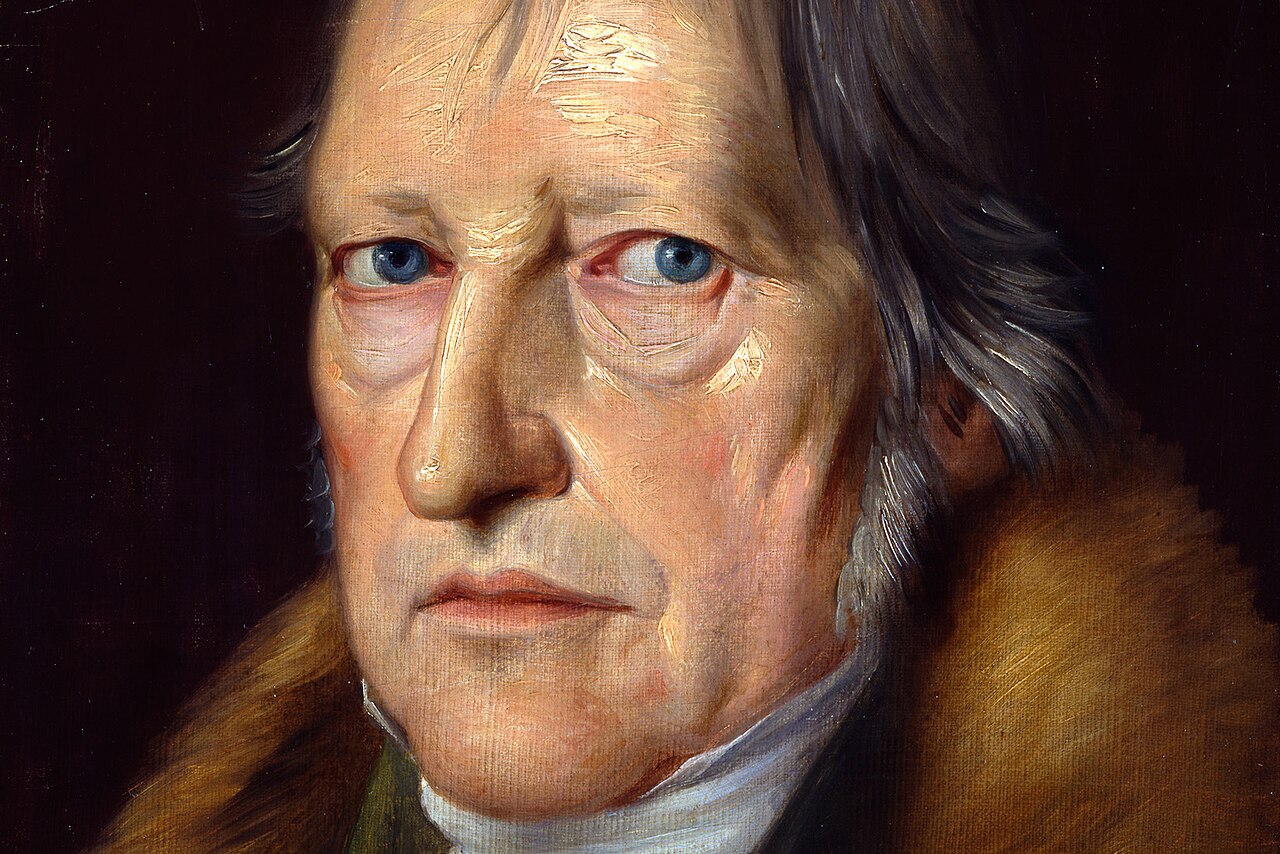 Georg Wilhelm Friedrich Hegel. Jakob Schlesinger, 1831.
Each codebase is a conversation across time. And the chain holds for one reason: there’s a thinking person on both ends.
the knower is the whole point
Hegel’s chain depends on something Kant had already figured out a generation earlier.
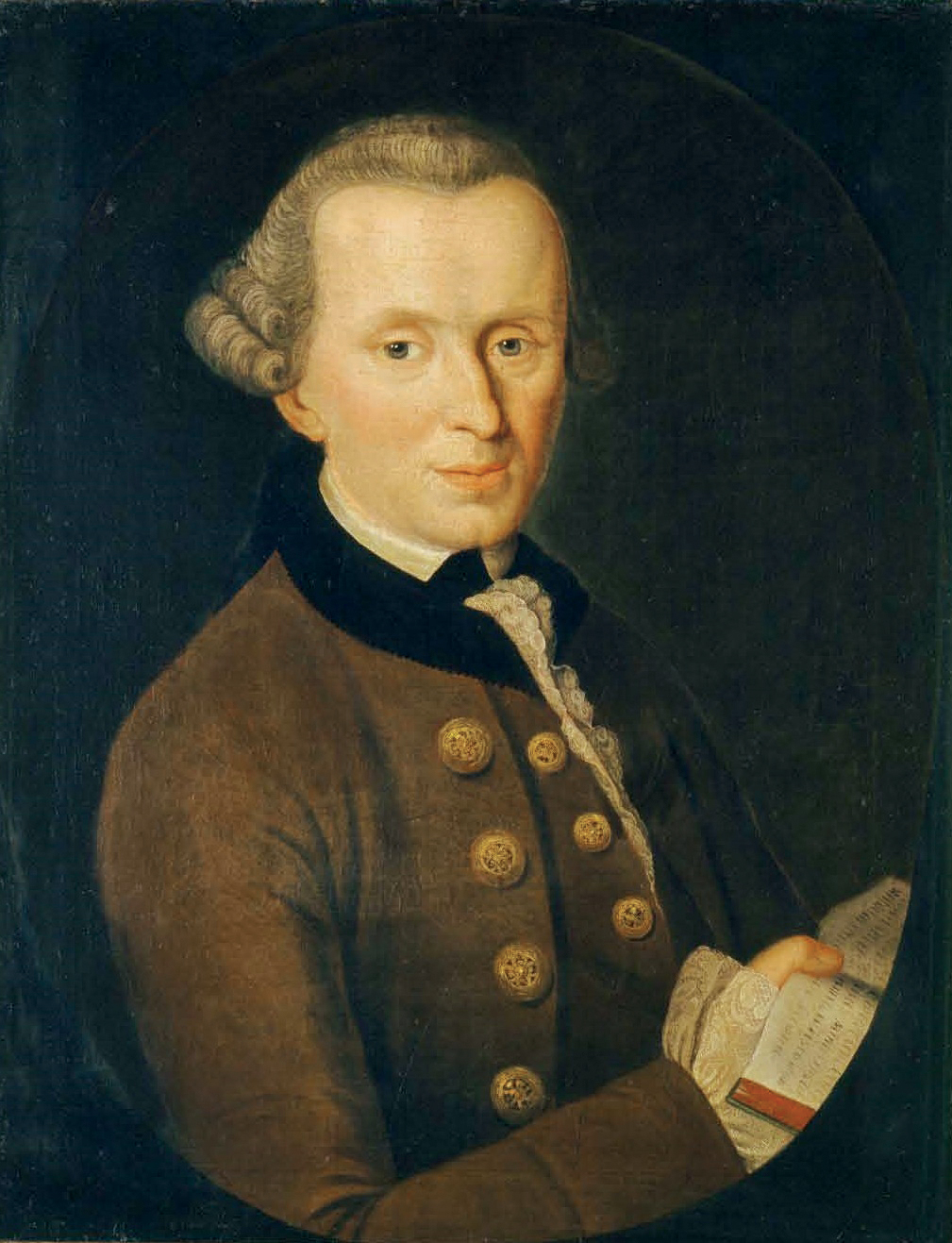 Immanuel Kant. Johann Gottlieb Becker, 1768.
Kant argued that knowledge isn’t received passively. The mind actively builds it. And that changes how I look at my own work: every abstraction you name, every interface you design, is a small act of thinking. You’re not just describing the world. You’re shaping how the next person will be able to think about it.
The knower isn’t optional. The knower is the whole point.
So what could break the chain?
two methods, same logic
Look at these two methods. Same logic, identical behaviour.
def process(users)
  users.select { |u| u.created_at > 90.days.ago && !u.confirmed? }
end

def unconfirmed_recent_signups(users)
  users.select { |u| u.created_at > 90.days.ago && !u.confirmed? }
end
The first one gives the next developer raw material. The second gives them a concept: a way of thinking about this slice of users that they’ll carry into every decision downstream.
Someone stopped there. Someone asked: what is this thing, really? What should the next person call it when they think about it?
That name isn’t documentation. It’s the knower, still present in the code.
when the chain goes quiet
Now imagine code where nobody stopped. Where the abstraction was named by no one and the interface was designed by no thinking person. It still runs. It might even pass review. But Kant’s condition for knowledge isn’t met. It’s residue, without the thinking that should have come before it.
The chain doesn’t break dramatically. It just goes quiet.
As an AI engineer, this is the part I think about most. Generating code is cheap now. Generating understanding isn’t. The more code arrives without a knower behind it, the more it matters that someone still stops and names things on purpose.
You’re not just writing code. You’re building the conceptual world your colleagues will live in.
Unless you’re not.